32 Event Sponsorship Ideas, Examples, and Packages

Sarah Wisbey
Content Contributor, HeySummit
Good event sponsorship ideas do more than put a logo on a page. They give a sponsor a credible way to reach the right audience, help attendees have a better experience, and give the organizer something measurable to report afterward.
That is the difference between a list of random perks and a sponsorship offer a partner can actually approve. A coffee cart, a virtual booth, a sponsored session, or a lead-capture offer can all work, but only when the idea matches the sponsor's goal, the event format, and the proof you can share after the event.
This guide covers 32 event sponsorship ideas, examples of how to package them, what sponsors usually want, how to price sponsorships without guessing, and how to report value after the event.
Quick answer: what event sponsorship is and what sponsors want
Event sponsorship is a partnership where a brand supports an event financially or in kind in exchange for agreed promotional, audience, engagement, content, lead generation, or relationship-building benefits. For the organizer, sponsorship can help fund production costs and improve the attendee experience. For the sponsor, the event should create access to a relevant audience they would otherwise struggle to reach.
Most sponsors are not buying "exposure" in the abstract. They are looking for one or more of these outcomes:
- Audience fit: access to attendees who match their target market, community, or partner ecosystem.
- Credible visibility: brand placement that feels natural in the event rather than bolted on.
- Engagement: conversations, demos, session participation, booth visits, questions, polls, meetings, or community touchpoints.
- Leads and follow-up: permission-based ways to continue the conversation after the event.
- Content value: recordings, co-branded resources, social clips, recap content, or thought-leadership moments.
- Reporting: a post-event summary that shows what was delivered and what happened.
The strongest sponsorship ideas usually fall into seven categories: brand visibility, speaking and education, sponsor booths, attendee engagement, lead capture, content and media, and reporting-backed partner value. Use the ideas below as building blocks, then combine them into packages that make sense for your event.
Before you choose sponsorship ideas, define the package
A sponsorship package should explain what the sponsor gets, who they reach, when each benefit is delivered, and how success will be measured. Cvent's event sponsor guidance is clear that audience data is one of the most important sales assets because sponsors are comparing your event against other ways to spend their marketing budget.
A practical package can include:
- Visibility deliverables: logo placement, stage mentions, email inclusion, event page placement, social posts, branded slides, or signage.
- Session deliverables: sponsored talks, panels, workshops, AMAs, roundtables, demos, or expert Q&A sessions.
- Booth deliverables: in-person booths, expo tables, virtual booths, sponsor profiles, resource downloads, chat, or meeting requests.
- Attendee engagement: competitions, giveaways, lounges, wellness experiences, badge activations, polls, games, or interactive challenges.
- Lead capture: opt-in forms, appointment booking, tracked offer redemptions, gated resources, or integration handoff into a CRM.
- Content assets: co-branded guides, recap posts, sponsored clips, speaker interviews, replay access, or post-event nurture content.
- Reporting: attendance, registrations, session views, clicks, booth visits, offer claims, questions, poll responses, survey feedback, and agreed follow-up metrics.
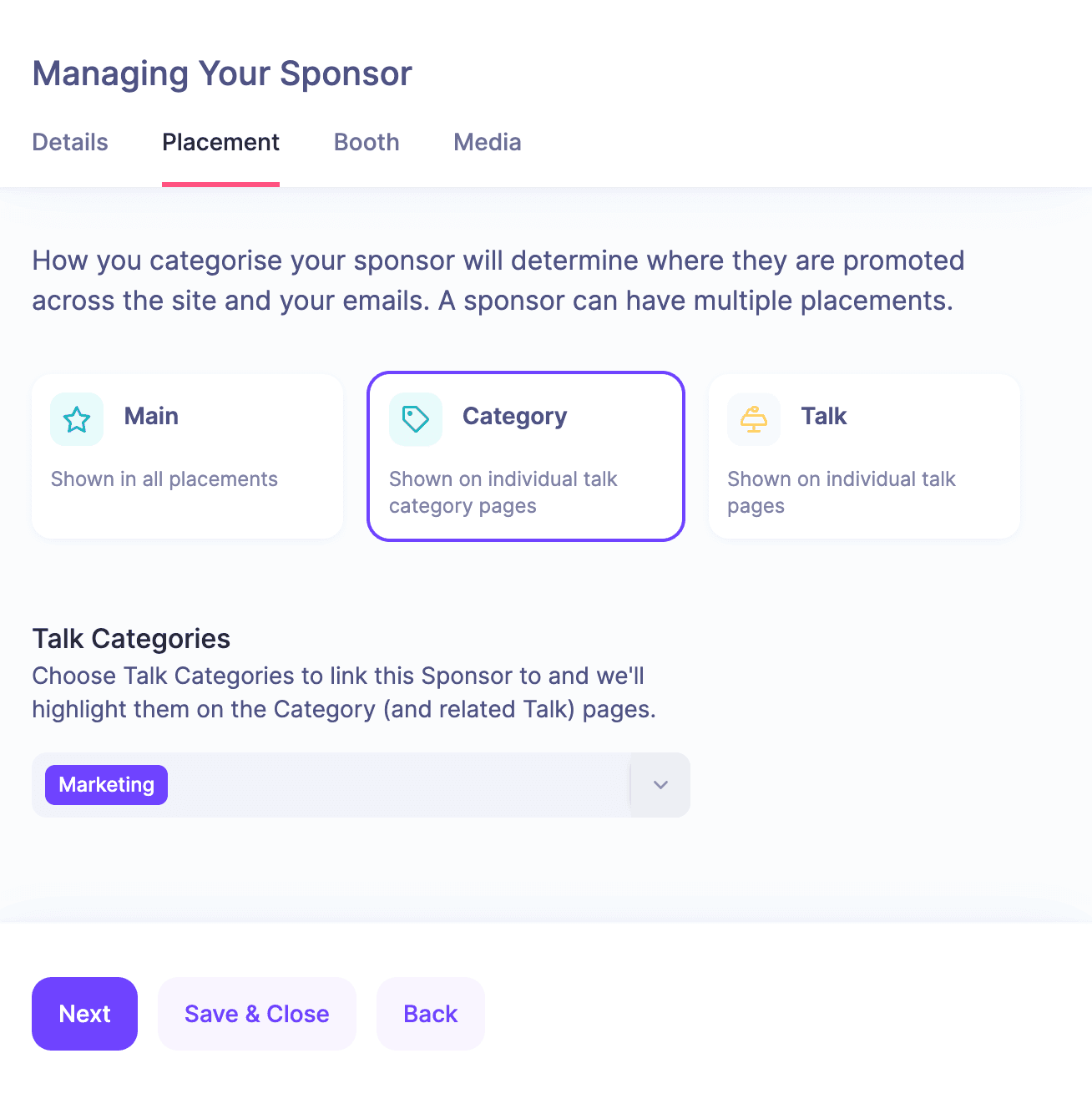
For online or hybrid events, HeySummit's sponsor booth feature can help turn sponsor visibility into a real event destination, while event reporting helps organizers review registrations, attendance, revenue, and engagement after the event.
Event sponsorship package examples
Use tiers only if they make the buying decision easier. A basic bronze, silver, and gold structure can work, but the better distinction is usually outcome-based: awareness, engagement, lead generation, content, or strategic partnership.
Here are four package examples you can adapt:
Visibility package
Best for sponsors that want brand awareness with a relevant audience. Include logo placement on the event website, registration page, event emails, opening and closing slides, social mentions, and one short sponsor introduction from the host.
Engagement package
Best for sponsors that want attendee interaction. Include a virtual or in-person booth, sponsored poll, giveaway, attendee challenge, product demo, and a post-event report with visits, clicks, questions, and offer redemptions.
Thought-leadership package
Best for sponsors with credible expertise. Include a sponsored session, workshop, expert Q&A, co-branded resource, replay placement, and a recap asset the sponsor can share with their audience.
Revenue or pipeline package
Best for B2B or paid-event sponsors that care about measurable commercial outcomes. Include a high-fit session, sponsor booth, opt-in offer, booked meetings or demo requests, tracked links, and a post-event report. If your event is paid, connect sponsorship value to event ticketing, attendee quality, and package economics rather than vanity reach.
Easy event sponsorship ideas
These ideas are simple to sell and deliver. They work well as entry-level benefits or as supporting deliverables inside a larger package.
1. Logo placement
Logo placement is the classic sponsorship benefit, but it works best when the placement is tied to real context. Put sponsor logos on the event website, registration page, event emails, opening slides, and sponsor section. Add a short line explaining what the sponsor helps attendees do, not just who they are.
2. Brand mentions
Host-read mentions can make a sponsor feel present without interrupting the event. Use them at natural moments: opening remarks, session transitions, closing recaps, or before a sponsored resource is introduced. Keep the copy short and benefit-led.
3. Product placements
Product placement works when the sponsor's product fits the event experience. A creator tools event might feature a sponsor's editing app. A health event might include a wellness product in a welcome kit. The best placements help attendees, rather than feeling like an unrelated ad.
4. Interactive event booths
A booth can be more than a passive profile. Give sponsors a destination where attendees can watch a demo, download a resource, ask questions, chat with the team, claim an offer, or request a follow-up. This is especially useful for online and hybrid events where a physical expo hall is not available.
5. Competitions and giveaways
Giveaways work when the prize is relevant to the audience. Ask sponsors to offer something attendees genuinely want: a consultation, course, product bundle, software credit, private workshop, or useful tool. Tie entry to an action you can measure, such as visiting a booth, answering a poll, joining a session, or opting into follow-up.
6. Sponsor-led workshops
A sponsor-led workshop works when the sponsor teaches something useful and does not turn the session into a pitch. Give sponsors editorial guidance: solve one problem, show practical examples, and leave attendees with a repeatable framework.
7. Merchandise
Merchandise is most useful when it is high quality, relevant, and easy to remember. For in-person events, think notebooks, badge holders, tote bags, drink bottles, or useful desk items. For online events, consider digital templates, software credits, printed workbooks, or mailed kits for premium attendees.
8. Branded goodie bags
Goodie bags can work for in-person, hybrid, or VIP online events. Curate them around the event theme rather than filling them with random samples. If the event is virtual, consider a pre-event sponsor kit for speakers, VIPs, or paid ticket holders.
Interactive event sponsorship ideas
Interactive ideas give sponsors a reason to participate in the attendee experience, not just sit around it.
9. Photo booths
Photo booths are useful for community, consumer, and in-person events where people want to share the experience. Add branded overlays, a sponsor hashtag, or a themed backdrop. For online events, use a virtual photo frame or shareable attendee badge.
10. Virtual reality experiences
VR is best for sponsors with a product or story that benefits from immersion. It can work for tourism, real estate, product demos, education, training, or large experiential brands. Keep the setup simple and staff it well so attendees are not left figuring out the technology alone.
11. Augmented reality games
AR games can help a sponsor create a memorable activation, especially at trade shows, festivals, campuses, or community events. Tie the game to a useful learning moment or reward, not just a novelty mechanic.
12. Product demos
Product demos work when attendees are actively looking for a solution. Give sponsors a short demo slot, a booth demo schedule, or a demo room. Make the promise concrete: "See how to do X in 10 minutes" is stronger than "Learn about our product."
In-person event sponsorship ideas
In-person sponsorships are strongest when they improve the attendee journey and create a moment people remember.
13. Branded VIP lounges
A VIP lounge gives sponsors a premium association and gives attendees a place to recharge, network, or meet speakers. Add useful touches: comfortable seating, charging points, refreshments, private networking slots, or sponsor-hosted office hours.
14. Wellness offerings
Wellness sponsorships can include quiet rooms, guided breaks, stretching sessions, water stations, healthy snacks, or morning activities. They work best when they genuinely improve the event experience and match the audience.
15. Event badge sponsorship
Badges, lanyards, and wristbands create repeated visibility throughout an in-person event. Keep the branding tasteful. A sponsor QR code can work if it leads to a helpful resource or offer, not a generic homepage.
16. Social media wall
A social wall can encourage attendees to post, react, and share event moments. Give the sponsor credit for the activation and include moderation. This works best for events with an active community or strong visual moments.
17. Food and drink sponsorship
Coffee breaks, lunches, snacks, and drinks are practical and appreciated. Give sponsors tasteful signage, host mentions, and a chance to start conversations without making every break feel like a sales pitch.
18. Event app or event hub sponsorship
If your event uses an app or online event hub, the sponsor can support agenda access, reminders, resource downloads, or attendee navigation. This is valuable because attendees return to the hub repeatedly before, during, and after the event.
Media and content sponsorship ideas
Media and content sponsorships can extend the value of the event beyond the live date.
19. Press coverage
If your event has media partners, industry publications, or strong owned content, offer sponsors inclusion in relevant recaps or announcements. Keep this editorially honest: sponsor involvement should be disclosed and relevant.
20. Awards
Awards can create a positive association for sponsors when the category fits their brand. Examples include innovation awards, community awards, student awards, speaker awards, or attendee choice awards.
21. Event brochures and resource guides
A sponsor can support a digital guide, workbook, checklist, or recap PDF. This is often more useful than a disposable brochure because attendees can return to it after the event.
22. Social media takeovers
A sponsor takeover can work before or during an event if the sponsor has a strong point of view and the audience is likely to care. Set guidelines for tone, topics, claims, and disclosure before handing over any channel access.
23. Hashtag campaigns
A sponsor-backed hashtag can help collect attendee stories, questions, or examples. Make it specific to the event or theme. Generic hashtags rarely create enough signal to justify a sponsorship package.
24. Sponsored content or influencer partnerships
Sponsored articles, creator posts, interviews, or video clips can help the sponsor reach the audience before and after the event. Make the content useful on its own, and disclose sponsorship clearly.
Virtual conference sponsorship ideas
Virtual and hybrid sponsorships work best when they create visible, trackable touchpoints: session views, link clicks, offer claims, booth visits, questions, meetings, or replay engagement.
25. Branded slides
Branded slides are easy to deliver, but they should not be the whole offer. Use sponsor slides at the start or end of relevant sessions, and pair them with a stronger benefit such as a resource, offer, or booth visit.
26. Branded promotional videos
Short sponsor videos can work before a session, in a sponsor booth, or on a replay page. Keep them brief and relevant. A 30-second practical tip usually performs better than a long brand reel.
27. Q&As with an expert from the sponsor brand
An expert Q&A lets the sponsor contribute knowledge rather than only promotion. Choose a topic where the sponsor has genuine expertise, collect questions in advance, and make the session useful even for attendees who never buy from the sponsor.
28. Customizable backgrounds
Branded backgrounds can work for speaker prep rooms, networking sessions, or attendee photo moments. Keep the design subtle so it improves the experience rather than distracting from the content.
29. Exclusive discounts and deals for event attendees
Discounts and attendee-only deals work when they are relevant and time-bound. If your event sells paid access, bundles, replays, or bonus materials, event upsells and add-ons can also become part of the sponsor conversation: a sponsor might fund a replay upgrade, contribute a bonus, or offer a tracked post-event resource.
30. Mentoring opportunities or access to experts
Mentoring slots, office hours, or sponsor-hosted clinics can be valuable for professional, creator, education, and community events. Limit capacity so the experience stays high quality, and give sponsors a clear way to follow up with attendees who opt in.
Sustainable sponsorship event ideas
Sustainability ideas work best when the sponsor has a credible connection to the initiative and the claim can be verified.
31. Generating event energy
For in-person events, a sponsor might support renewable energy, bike-powered demos, low-waste production, or carbon-conscious venue choices. Avoid vague claims. If you make an environmental claim, be specific about what the sponsor funded.
32. Recycling stations
Recycling, refill, or waste-reduction stations can be helpful at festivals, conferences, and large in-person gatherings. Place them where attendees naturally need them and report the result afterward if you can measure it.
How to find and approach event sponsors
Good outreach starts before the email. Sponsors need to see why your audience, event promise, and package are worth their budget.
For a deeper acquisition workflow, use this fit-first guide to finding and qualifying event sponsors before you build the package.
- Define your audience: document attendee role, industry, location, seniority, interests, buying intent, community fit, and expected attendance.
- Map sponsor goals: decide which sponsors want awareness, community trust, leads, content, sales conversations, recruiting, or partner relationships.
- Build proof assets: prepare past attendance, registration sources, speaker lineup, audience survey data, social reach, email list size, attendee testimonials, and sponsor results if you have them.
- Create package options: offer a few clear paths rather than a long menu of disconnected benefits.
- Write a specific pitch: explain why that sponsor fits this audience and what outcome the package is designed to support.
- Plan fulfillment: know who owns sponsor assets, approvals, deliverables, reminders, booth setup, links, tracking, and post-event reporting.
- Schedule the recap before the event: tell sponsors when they will receive results and what metrics will be included.
Eventbrite's guide to event sponsorship levels is a useful reminder that tiers should clarify value for sponsors, not just create arbitrary price labels.
How much should you charge for event sponsorships?
There is no universal price for event sponsorship. A logo placement for a small community meetup, a sponsored keynote at a high-intent B2B conference, and a category-exclusive package for a paid hybrid summit should not be priced the same way.
Use this framework instead:
- Audience quality: sponsors pay more for a clearly defined audience that matches their market.
- Attendee count and reach: registrations, live attendees, replay viewers, email subscribers, and social reach matter, but relevance matters more than raw volume.
- Category exclusivity: a sole sponsor or category-exclusive sponsor should usually cost more than a shared placement.
- Deliverables: speaking, booth access, lead capture, content assets, and reporting are usually more valuable than logo placement alone.
- Event format: in-person, hybrid, online, paid, free, single-day, multi-day, and on-demand events all create different sponsor value.
- Fulfillment effort: custom activations, content production, booth staffing, and reporting take time. Price them accordingly.
- Reporting value: sponsors can justify renewals more easily when you can show what happened.
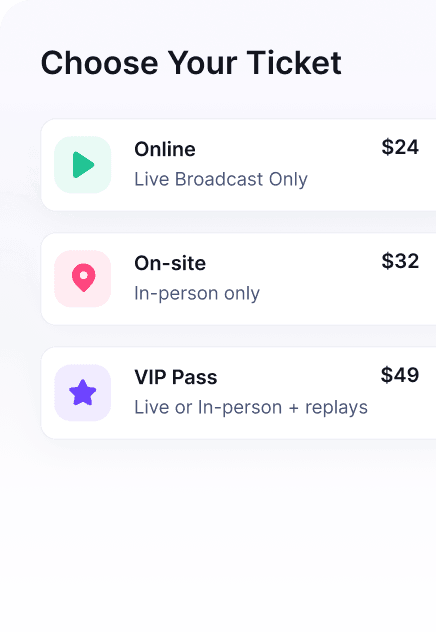
If you run paid events, sponsorship also interacts with ticket strategy. A sponsor might subsidize free tickets for a target audience, fund VIP access, bundle an attendee offer, or support a scholarship pool. That is why sponsorship pricing should sit next to ticketing, checkout, and attendee-value decisions, not in a spreadsheet by itself.
How to measure sponsor ROI after the event
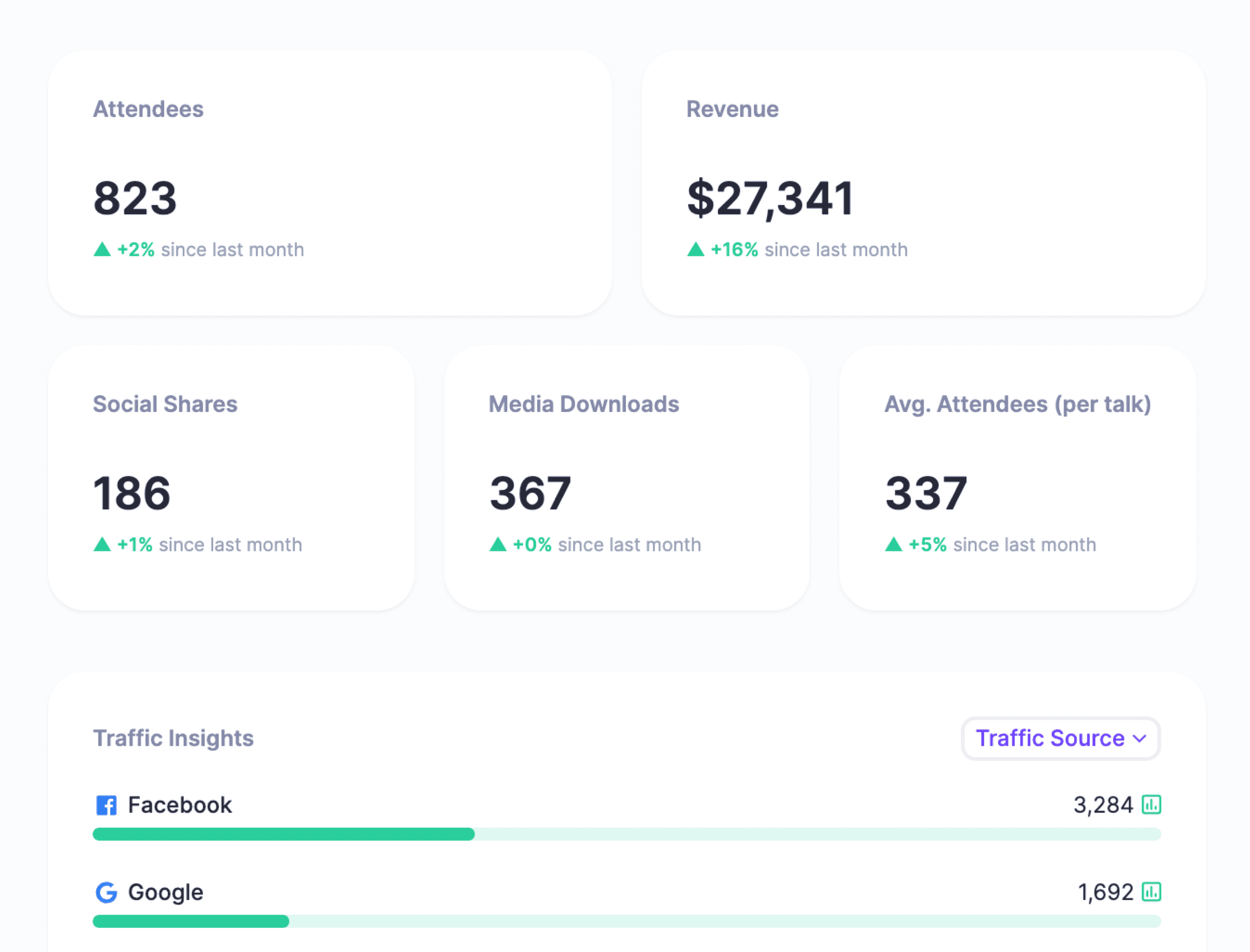
Agree on sponsor reporting before the event starts. If the sponsor wants leads, define what counts as an opt-in lead. If they want awareness, define the visibility and engagement metrics. If they want content, define the assets and distribution plan.
Cvent describes a post-event report as the place to collect the data stakeholders need to understand event ROI and whether goals were met. For sponsors, that report can include:
- registered attendees, live attendees, replay viewers, and attendance by session;
- sponsor booth visits, clicks, downloads, demo requests, meetings, chats, or questions;
- email, social, event page, and replay placement delivery;
- poll, survey, and feedback highlights relevant to the sponsor;
- offer redemptions, tracked link clicks, coupon use, or checkout add-ons;
- content assets delivered, such as clips, recap posts, or co-branded resources;
- recommendations for renewal or a stronger package next time.
For lead follow-up, connect the event data to the systems your team already uses. HeySummit's CRM and revenue integrations can help move attendee, payment, and follow-up activity into the tools that support sales or partner workflows.
EventMobi's sponsorship ideas guide also emphasizes the value of post-event reporting for showing sponsors how their support performed. The important point is not to promise guaranteed ROI. It is to agree on the evidence you can provide and deliver that evidence clearly.
Final thoughts
The best event sponsorship ideas are not always the flashiest. They are the ones that connect the sponsor to a relevant audience, improve the event, and leave both sides with a clear view of what happened.
Start with the sponsor's goal, choose the right mix of visibility, engagement, lead capture, content, and reporting, then package the offer in a way your team can actually deliver. A sponsor that receives clear value, clean fulfillment, and a useful post-event report is much more likely to renew than one that only bought a logo placement.
If you are building a sponsorship program for an online or hybrid event, HeySummit can help you manage sponsor visibility, registration, paid access, attendee engagement, integrations, and reporting in one event workflow.
Frequently asked questions
Table of Contents
Quick answer: what event sponsorship is and what sponsors wantBefore you choose sponsorship ideas, define the packageEvent sponsorship package examplesEasy event sponsorship ideasInteractive event sponsorship ideasIn-person event sponsorship ideasMedia and content sponsorship ideasVirtual conference sponsorship ideasSustainable sponsorship event ideasHow to find and approach event sponsorsHow much should you charge for event sponsorships?How to measure sponsor ROI after the eventFinal thoughtsFrequently Asked QuestionsTry HeySummit free
HeySummit is the easiest way for creators and educators to grow their audience, authority and revenue with professional online events created in minutes, not weeks.
Share this article on:
Recent Posts
Loading feed...