Cvent vs HeySummit: Which Event Platform Fits Your Team?

Astley Cervania
Content Contributor, HeySummit
If you are comparing Cvent and HeySummit, the quickest way to decide is to look at your event model.
Cvent is usually the better fit for enterprise meeting and event programs that need procurement workflows, venue sourcing, onsite operations, mobile app-style attendee engagement, and reporting across many teams or business units. HeySummit is usually the better fit for creators, educators, communities, nonprofits, and lean event teams that want to launch online, hybrid, in-person, or on-demand events quickly while managing landing pages, registration, ticketing, speakers, sponsors, video integrations, emails, analytics, and replay access in one workflow.
This comparison focuses on the buying decision: where each platform is strongest, how pricing and implementation differ, and when it makes sense to compare broader Cvent alternatives rather than only these two tools.
| Decision area | Cvent | HeySummit |
|---|---|---|
| Best-fit team | Enterprise event, meetings, procurement, and field marketing teams. | Creators, educators, communities, nonprofits, lean marketing teams, and event operators who want a complete event workflow without heavy implementation. |
| Event scale | Strong for large programs, multi-event portfolios, and complex stakeholder requirements. | Strong for focused online, hybrid, in-person, and replay-led events where speed, monetization, and ease of setup matter. |
| Setup complexity | Built for larger operational programs, so setup and ownership can involve more teams and configuration. | Designed for faster launches with an event platform walkthrough that spans event setup, pages, speakers, tickets, integrations, and analytics. |
| Ticketing and monetization | Useful for enterprise registration and event commerce needs, especially inside larger event programs. | Includes event ticketing, paid access, add-ons, donations, subscriptions, and checkout upsells. |
| Speaker and sponsor workflows | Better suited to complex event operations where these workflows sit inside a larger enterprise event stack. | Includes a speaker dashboard, sponsor pages, placement controls, and sponsor booth workflows. |
| Integrations | Broad enterprise ecosystem, including CRM, marketing, attendee, and event operations tools. | Connects event data to CRM and revenue integrations and supports video and streaming integrations for online delivery. |
| Analytics | Built for event program reporting and stakeholder ROI conversations. | Gives organizers event analytics for page views, conversion, attendees, revenue, content performance, and replay engagement. |
| Pricing style | Quote-based. Cvent's official pricing page describes an annual license plus per-registrant structure. | Public pricing page with plan comparison, attendee allowances, transaction fees, and trial information. Check HeySummit pricing for current plan details. |
Cvent vs HeySummit: short answer
Choose Cvent if you need a broad enterprise event-management platform for large event programs, internal approvals, venue sourcing, complex onsite logistics, or deep program-level reporting across many event types.
Choose HeySummit if your priority is to launch revenue-generating events quickly, keep the event workflow understandable, and avoid stitching together separate tools for event pages, registration, tickets, speakers, sponsors, video delivery, email, analytics, and replay access.
Put another way: Cvent is built for complex event operations at scale. HeySummit is built for teams that want the event itself, the audience-building workflow, and the monetization path to stay connected.
What Cvent does well
Cvent is one of the best-known names in enterprise event management. Its platform is positioned around in-person, virtual, and hybrid events, with products that support the event lifecycle from planning and registration through attendee engagement, onsite workflows, insights, and integrations.
That breadth matters if your organization runs a large meetings and events program. A corporate team may need approval workflows, budget visibility, venue sourcing, registration, check-in, badging, mobile attendee experiences, surveys, lead retrieval, and reporting that can satisfy multiple departments. Cvent is built for that kind of operational environment.
The tradeoff is that broad enterprise coverage can add complexity. If you are running a focused summit, workshop series, paid community event, nonprofit conference, or expert-led online event, you may not need a platform built around the full enterprise meetings lifecycle. You may need something simpler to launch, easier for speakers and collaborators to understand, and more directly connected to registration, revenue, and follow-up.
For pricing, use Cvent's own pricing page as the source of truth. Cvent asks buyers to request pricing and describes its model as having an annual license fee plus a per-registrant component. That is a different buying motion from a public self-serve plan page, so budget evaluation usually requires a sales conversation.
What HeySummit does well
HeySummit is an event-first platform for online, hybrid, in-person, and on-demand events. It is especially useful when the event is tied to audience growth, education, community, content, or revenue.
The core workflow covers the pieces that smaller teams often otherwise spread across separate tools:
- Event landing pages and registration pages.
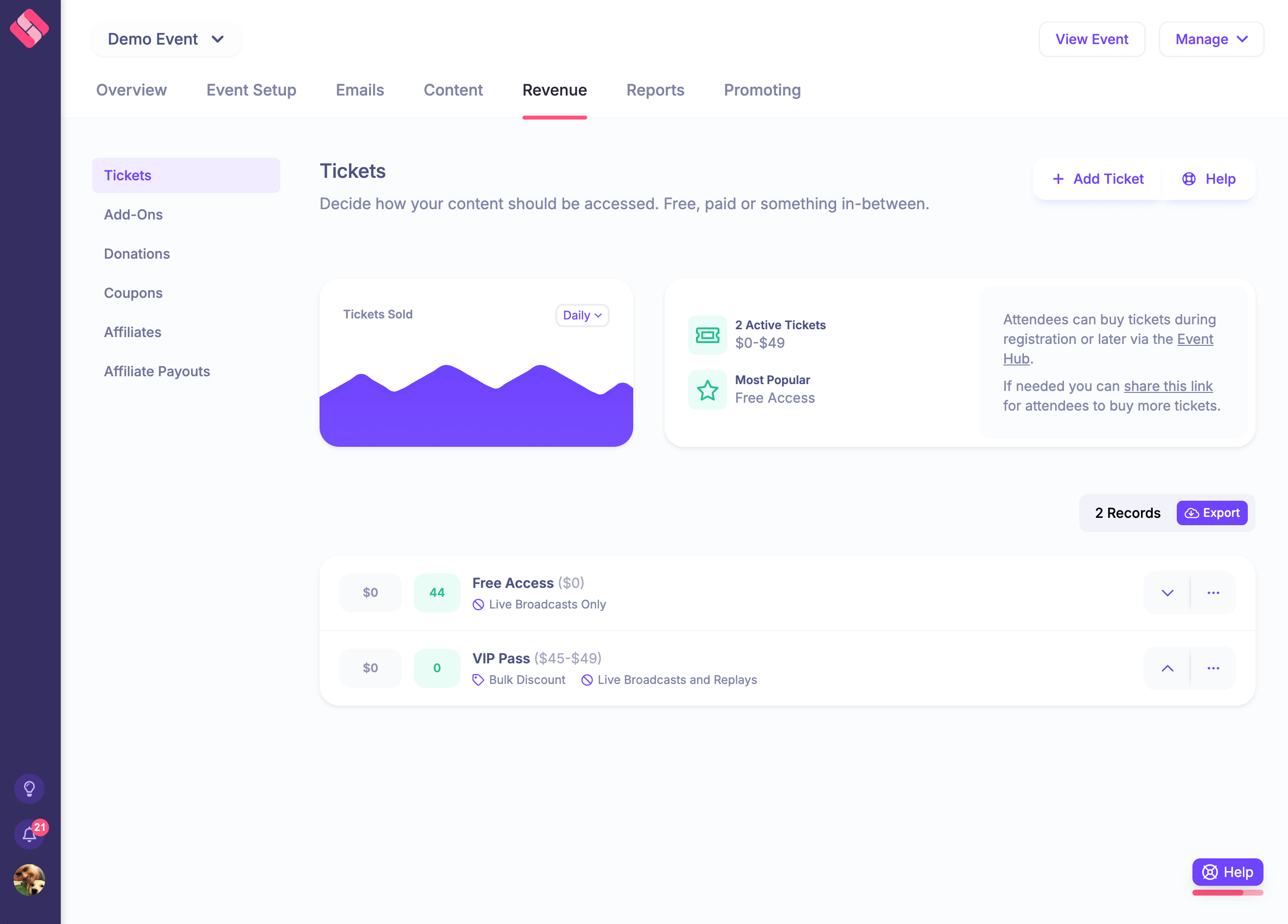
- Ticketing, paid access, donations, subscriptions, and add-ons.
- Checkout customization and revenue opportunities through upsells and add-ons.
- Speaker setup, talk management, bios, links, and a speaker dashboard.
- Sponsor visibility through dedicated pages, media, placements, and sponsor booths.
- Video and webinar integrations for live, pre-recorded, and replay-led sessions.
- CRM and revenue integrations so attendee and purchase data can keep moving after the event.
- Reporting and analytics for registrations, conversion, attendance, revenue, content, and replays.
This is where HeySummit is meaningfully different from many broader enterprise platforms. The platform is not trying to be every meeting-management system for every corporate department. It is trying to help event organizers turn expertise, community, content, speakers, sponsors, and attendee demand into a professional event that can be launched and measured without a large operations team.
Feature comparison by buyer need
Event pages and registration
Cvent has strong registration capabilities for enterprise event programs. If your event registration process needs to fit procurement, internal approval, and enterprise reporting requirements, Cvent may be a strong candidate.
HeySummit is stronger when you want event pages and registration to be easy to launch and tied directly to the rest of the event. Organizers can use the event landing page builder to create registration pages, customize the event experience, and keep the page connected to tickets, speakers, sessions, emails, and analytics.
Ticketing, checkout, and revenue
If your event has straightforward free registration, either platform may cover the basics. The comparison gets sharper when revenue matters.
HeySummit includes ticket tiers, paid access, add-ons, donations, subscriptions, payment installments, and checkout customization. That makes it a natural fit for paid summits, workshops, nonprofit fundraisers, community events, and expert-led programs where revenue is part of the strategy rather than an afterthought.
Cvent can support enterprise event commerce, but the buyer should evaluate it in the context of Cvent's broader event-management package and quote-based pricing model. If you mainly need to sell tickets, offer replay access, and experiment with add-ons, HeySummit's more focused workflow may be easier to operate.
Speakers, sponsors, and partners
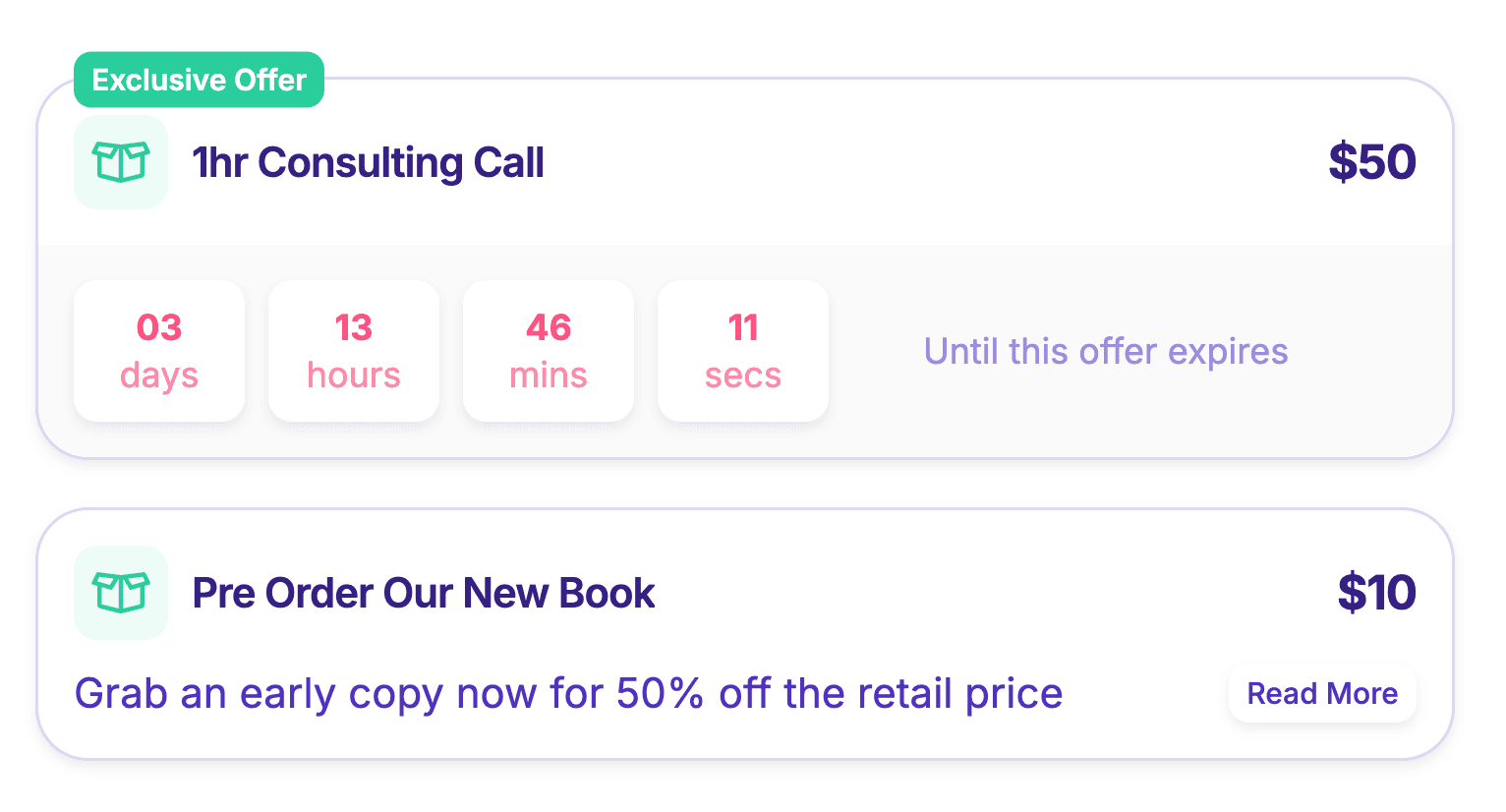
Many event platforms handle speakers as schedule records. HeySummit treats speaker and sponsor workflows as part of the growth engine for the event.
For speaker-led events, the speaker dashboard gives contributors a clearer way to manage their talk information, bio, links, media, and promotional assets. For sponsored events, sponsor booth features support dedicated sponsor pages, media, placement control, and sponsor-facing management.
Cvent is still a better fit when your sponsor and exhibitor requirements are tied to a large conference program, onsite booth logistics, mobile app engagement, lead retrieval, and enterprise sales follow-up. HeySummit is stronger when speaker, sponsor, and partner workflows need to be useful but lightweight enough for a small team to manage.
Video, webinars, and replays
Cvent supports virtual and hybrid experiences as part of its event platform. That can be useful when virtual delivery is one piece of a larger enterprise event operation.
HeySummit is a strong fit when the content itself is central to the event. You can connect existing video and streaming integrations, run live or pre-recorded sessions, and keep replay access connected to registration, tickets, emails, and post-event reporting.
Analytics and post-event learning
Cvent's reporting strengths matter for event portfolios and enterprise ROI conversations. Teams that need to roll up data from many large events should evaluate Cvent closely.
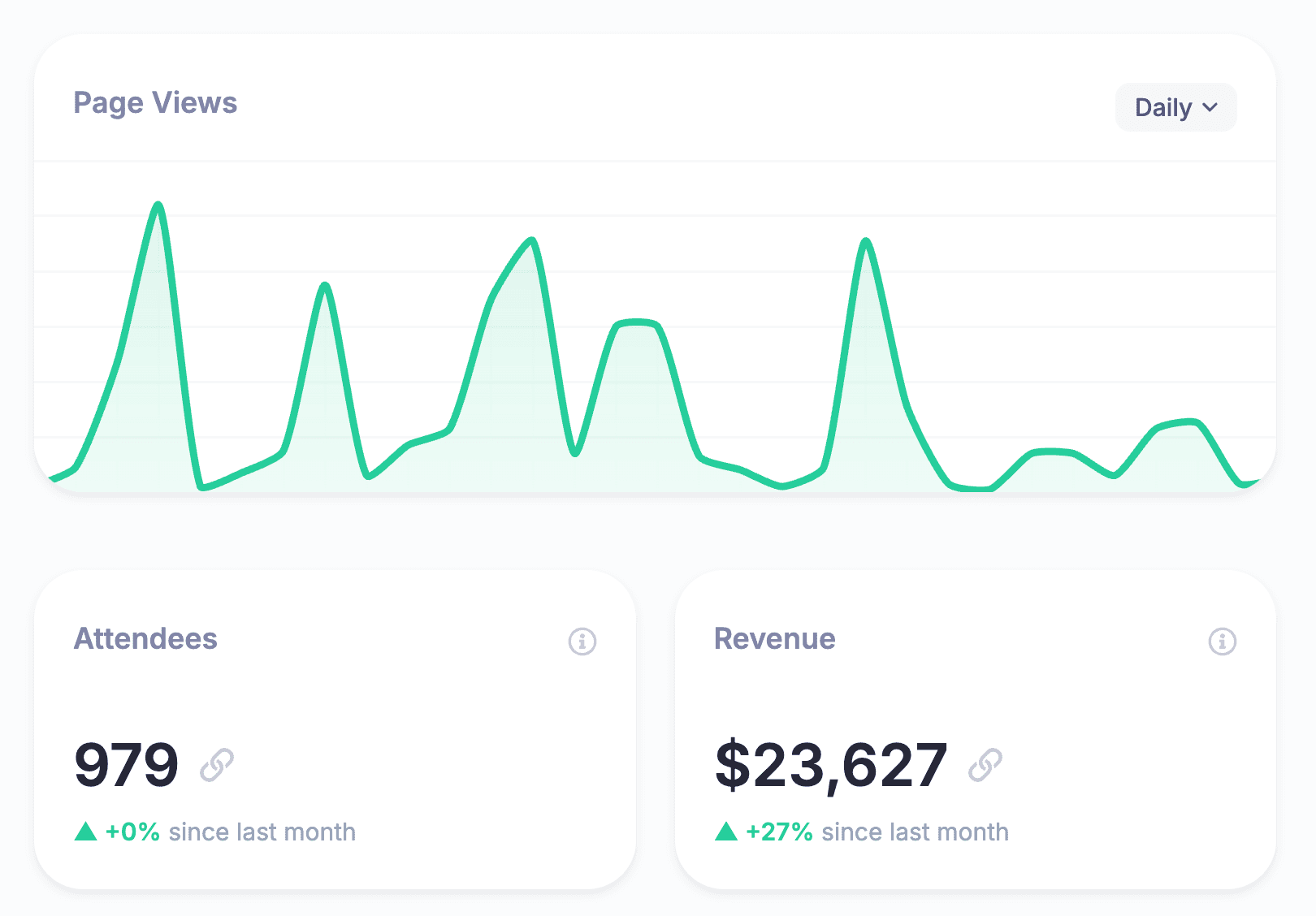
HeySummit gives leaner teams the event metrics they need to improve the next launch: page views, conversion rates, attendee counts, ticket revenue, attendee schedules, custom registration data, content insights, live attendance, and replay engagement. That helps organizers see which parts of the event are attracting attention and which parts are turning attention into revenue or audience growth.
Pricing and implementation differences
The pricing experience is one of the clearest differences between Cvent and HeySummit.
Cvent uses quote-based pricing. Its official pricing page describes pricing around an annual license fee and a per-registrant fee, and buyers are asked to request a quote. That can make sense for organizations with complex requirements, multiple modules, and procurement processes. It also means you should validate the full cost, implementation timeline, included modules, per-registrant assumptions, support expectations, and renewal terms before comparing Cvent against simpler tools.
HeySummit publishes a public pricing page where buyers can compare plans and event capacity. Because pricing pages can change, use the live pricing page rather than old blog posts for exact plan numbers. For this comparison, the important distinction is not a specific monthly price; it is the buying motion. HeySummit is easier to evaluate without a sales-led quote process, while Cvent is more likely to require a formal pricing conversation.
When Cvent is the better choice
Cvent is likely the better fit when:
- You manage a large portfolio of enterprise events, meetings, or conferences.
- Your organization needs venue sourcing, budgeting, approvals, onsite check-in, badging, surveys, lead retrieval, mobile attendee experiences, or event program reporting.
- You have internal teams to own implementation, configuration, governance, and vendor management.
- Your event requirements are shaped by enterprise procurement and stakeholder reporting more than speed of launch.
- You are willing to evaluate a quote-based annual license and per-registrant pricing model.
In those cases, the extra scope may be worth it. A leaner tool can become limiting if your real problem is enterprise event operations across many stakeholders.
When HeySummit is the better choice
HeySummit is likely the better fit when:
- You want to launch an event without building a custom stack from landing pages, email tools, checkout tools, webinar tools, spreadsheets, and analytics dashboards.
- Your team cares about audience growth, expert content, paid access, replays, sponsors, affiliates, or speaker-led promotion.
- You run online, hybrid, in-person, or on-demand events where registration, content, revenue, and follow-up need to stay connected.
- You need current product visibility through a product tour, public feature pages, and self-serve plan comparison.
- You want a platform that is approachable for non-enterprise teams but still structured enough for professional event operations.
For creators, educators, communities, nonprofits, and lean event teams, HeySummit is often the more direct Cvent alternative because it focuses on the event workflow that smaller teams actually need to run and improve.
Should you compare broader Cvent alternatives?
Yes, if your search is really "Cvent alternatives," "Cvent competitors," or "event management software like Cvent." A direct Cvent vs HeySummit comparison is useful only if HeySummit's event model matches what you are trying to build.
Compare broader alternatives when you need one of these:
- A trade show or expo platform with heavy exhibitor operations.
- An enterprise mobile event app and onsite badge-printing workflow.
- A venue-sourcing or meetings-management system.
- A webinar-only platform where the event is mostly a single broadcast.
- A simple ticketing tool for an event that does not need speaker, sponsor, content, or replay workflows.
If you are still exploring the category, the HeySummit comparison hub can help you compare event platform options by fit rather than treating every event tool as interchangeable.
Final recommendation
If your organization needs enterprise meetings infrastructure, Cvent deserves a serious look. It is built for complex event programs, not just one-off registration pages.
If your goal is to run a professional event that grows audience, authority, and revenue without a heavy enterprise implementation, HeySummit is the more practical fit. It brings the core event pieces together: pages, registration, ticketing, checkout, speakers, sponsors, video, email, integrations, analytics, and replay access.
The best next step is simple: review Cvent's quote-based pricing path against your operational requirements, then use the HeySummit product tour and pricing page to see whether HeySummit covers the event workflow you actually need.
Sources and further reading
Frequently asked questions
Table of Contents
Cvent vs HeySummit: short answerWhat Cvent does wellWhat HeySummit does wellFeature comparison by buyer needPricing and implementation differencesWhen Cvent is the better choiceWhen HeySummit is the better choiceShould you compare broader Cvent alternatives?Final recommendationSources and further readingFrequently Asked QuestionsTry HeySummit free
HeySummit is the easiest way for creators and educators to grow their audience, authority and revenue with professional online events created in minutes, not weeks.
Share this article on:
Recent Posts
Loading feed...